

It often starts with something small…
A text saying a new login was detected from another device.
An email asking you to confirm an account to avoid it being locked.
A prompt to sign in again when you normally wouldn’t need to.
Nothing obviously wrong, but enough to feel a little off.
These signs are easy to brush past when you’re busy, but they can be the first signs that someone is testing your accounts or systems.
What this article covers
- Common early warning signs people often ignore
- How access attempts usually begin
- Simple ways to reduce risk without overcomplicating things
- How Quo Group supports continuity without adding noise
How access attempts usually begin
Most access attempts do not start with a full system breach. They start with testing.
Someone checks whether an email address is active. They trigger a password reset to see how your system responds. They try passwords that have appeared in past data leaks from unrelated services, such as retail sites, apps, or online platforms.
Healthcare and service-based organisations are frequent targets because of the number of systems in use, the volume of daily logins, and the pressure staff work under.
The aim is not instant damage, but to gain access, stay unnoticed, and learn how your systems behave.
Early signs worth paying attention to
These do not always mean something has been compromised, but they are worth taking seriously.
Unexpected login alerts
Notifications about sign-ins from unfamiliar locations, devices, or at unusual times, including failed attempts.
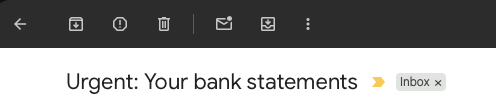

Unusual SMS or email messages
Messages that create urgency, reference security or account issues, and ask you to act quickly. The wording may look legitimate, but the timing or sender feels wrong.
Password reset prompts you did not request
Often used to confirm that an account exists and how it is protected.
Small changes no one remembers approving
Emails being forwarded elsewhere, messages disappearing from inboxes, or settings changing quietly in the background.
Uncertainty about who to tell
When something feels off but staff are unsure who to contact, delays creep in. That delay is often where issues grow.

Simple ways to reduce risk
Effective protection does not need to be complicated.
Pay attention to patterns
One alert may be nothing. Several similar alerts over time are worth investigating.
Add a second step to logins where possible
Using a phone prompt or app approval alongside a password can stop access even if login details are exposed elsewhere. For example, Google Authenticator.
Regularly review access
Disable accounts for former staff, remove permissions that are no longer needed, and close tools the business no longer uses.
Make reporting easy
This is a really important point. Staff should know exactly who to contact if something feels wrong, without worrying about whether it’s serious enough.
“Well, I don’t know who to tell, don’t worry about it”, not ideal for a business.
Keeping risk from becoming disruption
At Quo Group, our focus is business continuity.
That means keeping an eye on the small signals that often go unnoticed, understanding what is normal for your systems, and acting quickly when something is not right.
For healthcare practices and other service-driven organisations, this familiarity can really support B.A.U.
It reduces interruptions, avoids unnecessary escalation, and helps keep daily operations running as expected.
Early warning signs are easy to miss when everything seems fine, and you’re (supposed to be) busy running a business.